Three passengers are dead and seven others are confirmed or suspected cases after a hantavirus outbreak hit the MV Hondius, a Dutch-operated expedition cruise ship in the middle of the Atlantic.
The World Health Organization is now openly saying limited human-to-human transmission between very close contacts cannot be ruled out — a rare development for a virus that almost always jumps from rodents to people.
Nearly 150 passengers and crew from 23 countries, including 17 Americans, remain stranded off the coast of Cape Verde. What started as a dream voyage through remote islands has turned into a tense wait at sea while health teams investigate.
What Happened on the MV Hondius
The ship left Ushuaia, Argentina last month for a long-haul Atlantic crossing with stops at isolated destinations. Symptoms first showed up in early April — fever, headache, and gastrointestinal issues in at least one passenger.
By early May the situation escalated. Oceanwide Expeditions, the operator, confirmed three deaths: a Dutch husband and wife plus one German national. A British passenger is in intensive care in South Africa and improving. Two more people with symptoms are still on board, and medical evacuations are underway.
As of Tuesday, the WHO reported seven cases in total — two laboratory-confirmed and five suspected. Everyone else aboard is under strict isolation and enhanced hygiene measures.
Understanding Hantavirus: The Basics
Hantavirus is a family of rodent-borne viruses. People usually catch it by breathing in dust contaminated with infected urine, droppings, or saliva — often when cleaning or disturbing materials in enclosed spaces.
It can trigger hantavirus pulmonary syndrome, which starts with flu-like symptoms and can rapidly progress to severe breathing problems and shock. Without quick treatment, it can be fatal.
Person-to-person spread is extremely rare. Most experts have long said it doesn’t happen easily, though limited clusters have been recorded with certain strains, particularly the Andes virus in South America.
That’s exactly why the WHO’s latest statement is raising eyebrows.
WHO Suspects Limited Human-to-Human Spread
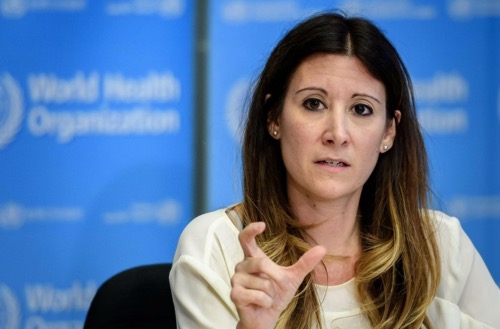
Dr. Maria Van Kerkhove, WHO Director for Epidemic and Pandemic Preparedness and Prevention, told reporters Tuesday that while the first infections likely came from rodent exposure — possibly before boarding or during island stops — some cases involved very close contacts such as married couples sharing cabins.
“We do know that some of the cases had very close contact with each other and certainly human-to-human transmission can’t be ruled out so as a precaution this is what we are assuming,” she said.
She was quick to add that the risk to the general public remains low. “This is not a virus that spreads like flu or like COVID. It’s quite different.”
No rodents have been detected on the ship itself, but testing and full epidemiological work continue.
Timeline of the Crisis
- Early April: First symptoms appear on board.
- April 27: Operator notified of serious illness in a Dutch passenger.
- May 3-4: Three deaths confirmed; WHO and South African authorities go public.
- May 5: WHO updates that human-to-human transmission is being considered for close contacts. Evacuations and ship inspections accelerate.
The vessel is holding position off Cape Verde while Spanish, Cape Verdean, and international authorities coordinate next steps. Passengers have been largely confined to cabins, and the mood onboard is one of cautious cooperation under difficult circumstances.
Health authorities worldwide are monitoring closely, but the clear message from Geneva is that this remains contained and the broader threat is minimal. Still, the incident reminds everyone that even remote expeditions carry risks most vacationers rarely consider.
What Comes Next
Investigators are still working to pinpoint exactly how the virus got aboard and whether any further transmission occurred. The ship’s next destination — possibly the Canary Islands or another port — will depend on final clearance from health officials.
For now, the priority is supporting the passengers and crew still on the MV Hondius, helping grieving families, and making sure no one else falls ill.
This is a fast-moving story. We’ll keep watching as more details emerge from the WHO and the teams on the ground.

Frenzy valentine is a passionate blogger, developer, and entrepreneur. He is the founder and author of myfreshgists.com.