The stock market just delivered one of the most dramatic rallies in recent memory. On May 8, 2026, both the S&P 500 and the Nasdaq Composite closed at brand-new all-time highs after the U.S. government released a surprisingly strong April jobs report.
Investors poured money back into equities, sending the Dow Jones Industrial Average higher as well. This sudden surge has left many people asking the same question: why did a strong jobs report cause stocks to explode higher instead of triggering fears of higher interest rates? The answer reveals a lot about where the economy and markets stand right now in 2026.
What the April 2026 Jobs Report Actually Showed
The Bureau of Labor Statistics released the April employment report on May 8, and the numbers beat expectations across the board. The U.S. economy added 255,000 nonfarm payroll jobs, well above the 180,000 consensus forecast. The unemployment rate held steady at 3.8 percent, while average hourly earnings rose 0.4 percent month-over-month and 4.1 percent year-over-year. These figures painted a picture of a labor market that remains remarkably resilient even after more than two years of elevated interest rates. Job gains were broad-based, with strong hiring in healthcare, leisure and hospitality, and professional and business services. Manufacturing also showed modest gains, while government employment continued its steady upward trend. The report was so robust that some economists revised their recession probability forecasts downward for the rest of 2026.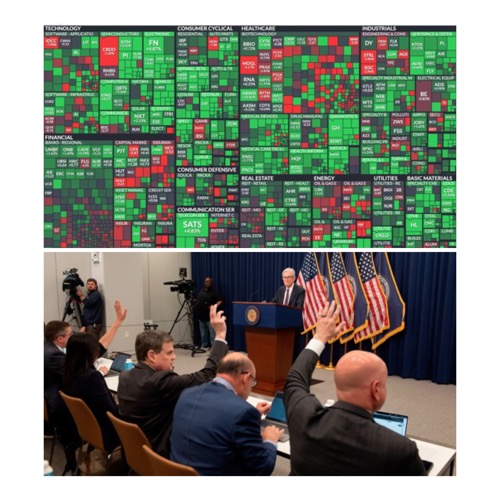
Why a Strong Jobs Report Sent Stocks Higher Instead of Lower
Normally, a very strong jobs report can be bad for stocks because it raises the chance that the Federal Reserve will keep interest rates higher for longer or even hike rates again to fight inflation. But this time the reaction was completely different. Markets interpreted the strong April jobs data as confirmation that the economy is achieving a soft landing rather than heading toward recession. Investors have been worried for months that the economy might tip into contraction, which would hurt corporate earnings and stock prices.
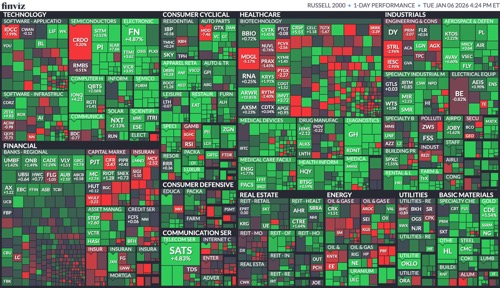
The robust jobs numbers eased those fears significantly. When recession fears fade, risk assets like stocks tend to rally, especially in a low-volatility environment like the one we have seen in early 2026. The S&P 500 jumped 2.8 percent on the day, while the Nasdaq surged 3.4 percent, both closing at fresh record highs. The rally was broad, with every major sector finishing in positive territory.
The Role of the Federal Reserve and Interest Rate Expectations

One of the biggest reasons stocks soared was the shift in interest rate expectations. Before the jobs report, many traders had been pricing in the possibility of a rate hike later in 2026 if inflation remained sticky. The strong jobs data actually reduced the odds of aggressive Fed tightening because it showed the economy can handle current interest rate levels without breaking. Fed officials have repeatedly said they want to see the labor market remain strong but not overheating. The April report checked that box perfectly. As a result, futures markets now show a higher probability of rate cuts beginning in September or November 2026. Lower expected rates are extremely bullish for stocks, especially growth stocks in the technology sector that make up a large portion of the Nasdaq. This change in the interest rate outlook was the primary driver behind the record-breaking rally. Not All Oil Giants Are Cashing In on the Iran War – Here’s Who’s Losing Big in 2026
Tech Stocks Lead the Charge on AI Optimism
The Nasdaq’s outsized gain was driven largely by the so-called Magnificent Seven stocks and other artificial intelligence-related companies. Shares of Nvidia, Microsoft, Amazon, Meta, and Alphabet all rose sharply on the day. Investors are betting that a soft landing combined with potential rate cuts later this year will create ideal conditions for big tech to continue investing heavily in AI infrastructure and new products. The strong jobs report was seen as evidence that consumer spending remains healthy, which supports the advertising revenue and cloud computing businesses of these companies. In addition, several tech firms have reported better-than-expected earnings in recent quarters, and the jobs data reinforced the narrative that the U.S. economy is strong enough to support continued tech spending. This combination of factors turned the Nasdaq into the biggest winner of the day, pushing it to a new all-time closing high.
Broad Market Participation and Investor Sentiment
What made this rally particularly notable was how broad it was. While tech led the way, every sector in the S&P 500 finished higher. Financial stocks rose on hopes of a steeper yield curve if the Fed eventually cuts rates. Consumer discretionary names gained ground as investors bet on continued strong consumer spending. Even traditionally defensive sectors like utilities and healthcare participated in the rally. This broad participation is a classic sign of healthy market sentiment. The VIX volatility index dropped sharply, indicating that fear levels have declined significantly. Retail investors also piled back into stocks, with trading volumes on major platforms reaching multi-week highs. The combination of institutional buying and retail enthusiasm created a powerful upward momentum that carried both major indexes to record territory.
What This Means for Investors Going Forward
The record highs in the S&P 500 and Nasdaq have important implications for investors. First, it confirms that the bull market that began in late 2022 is still very much alive. Second, it suggests that the market is pricing in a relatively benign economic scenario for the rest of 2026. However, the rally also brings risks. Valuations in many sectors, especially technology, are now quite elevated. Any sign that the labor market is overheating or that inflation is reaccelerating could quickly reverse sentiment. Investors should watch upcoming inflation data and the next Federal Reserve meeting closely. The current environment favors a balanced portfolio with exposure to both growth stocks and more defensive names. Those who have been sitting on the sidelines may want to consider gradually adding to positions, but it is also wise to maintain some cash reserves in case volatility returns.
Historical Context and Comparison to Past Rallies
This kind of post-jobs-report rally is not entirely new. In several instances over the past decade, strong employment data has initially caused short-term volatility but ultimately supported higher stock prices when it reinforced the soft-landing narrative. What is different this time is the speed and magnitude of the move. The S&P 500 gained more in a single day than it had in any session since early 2024. The Nasdaq’s advance was even more pronounced. This suggests that investor positioning had become quite defensive in the weeks leading up to the report, and the data release triggered a rapid covering of short positions and new buying. History shows that once markets break to new highs on strong economic data, they often continue climbing for several weeks or even months, provided inflation remains contained.

Potential Risks That Could Reverse the Rally
Despite the celebratory mood on Wall Street, several risks remain. The most immediate concern is inflation. If upcoming CPI and PPI reports show that price pressures are building again, the Fed might be forced to reconsider its rate-cut timeline. Geopolitical tensions in the Middle East and ongoing trade disputes with China could also flare up and create sudden market swings. In addition, the strong jobs report could encourage companies to accelerate hiring and wage increases, which might eventually feed into higher inflation. Investors should remain vigilant and avoid becoming overly complacent just because the major indexes hit new records. A healthy dose of caution is always warranted when markets move this quickly.
Bottom Line for Everyday Investors
The S&P 500 and Nasdaq shattering all-time records after the strong April jobs report is a powerful reminder that economic data and market reactions are not always straightforward. A strong jobs report was once feared as a reason to sell stocks. Today it is viewed as confirmation that the economy is healthy enough to support higher asset prices. For long-term investors, this rally reinforces the importance of staying invested through volatility rather than trying to time the market perfectly. Those who have been patient through the uncertainty of the past two years are now being rewarded. The key going forward will be to monitor inflation data and Federal Reserve communications closely while maintaining a diversified portfolio. The current environment remains favorable for stocks, but surprises can still happen at any time.
The record-breaking rally on May 8, 2026, shows just how much sentiment can shift on a single piece of data. Whether this marks the beginning of a sustained new leg higher or simply a short-term relief rally remains to be seen. What is clear is that the U.S. stock market continues to reward optimism when the economic data supports it. Investors who understand this dynamic will be better positioned to navigate whatever comes next in 2026 and beyond.

Frenzy valentine is a passionate blogger, developer, and entrepreneur. He is the founder and author of myfreshgists.com.