By Fresh Gists | May 10, 2026
The temporary pause of Project Freedom in the Strait of Hormuz has given the world a brief sigh of relief, but the damage to the global oil market has already been done. What started as a regional conflict between the United States, Israel, and Iran has quickly evolved into something much bigger. The crisis is forcing every major player in the energy industry to rethink how oil moves around the world, who controls the supply, and what price we should expect to pay in the years ahead. This is not just another geopolitical flare-up. The Hormuz Crisis is fundamentally reshaping the global oil market in ways that will last well into the 2030s.
What the Strait of Hormuz Crisis Actually Means
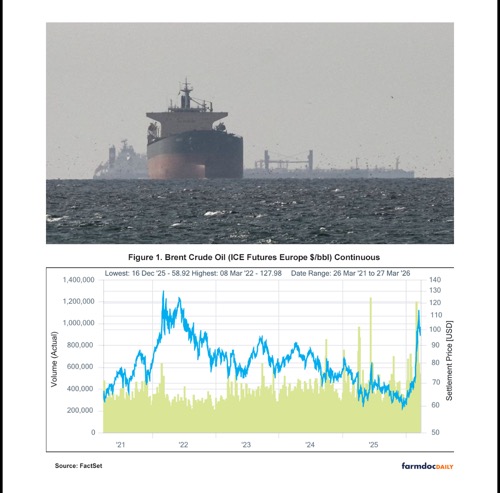
The Strait of Hormuz is the world’s most important oil choke point. Roughly 20 percent of global oil trade passes through this narrow waterway between Iran and Oman every single day. When Iran mined parts of the strait and threatened full closure earlier this year, the market panicked. Oil prices briefly spiked above $100 per barrel, insurance costs for tankers exploded, and shipping companies began rerouting vessels around the Cape of Good Hope — adding up to 20 extra days and millions of dollars in fuel costs to every journey. Even though President Trump later paused the U.S. escort mission, the underlying risk remains. The world has now seen how vulnerable global oil supply really is, and that lesson will not be forgotten anytime soon.
Short-Term Chaos vs Long-Term Structural Change
In the short term, the crisis created massive volatility. Traders, refiners, and governments scrambled to secure alternative supplies. Some countries dipped into strategic reserves while others accelerated deals with producers in the Americas, West Africa, and Central Asia. The temporary pause in Project Freedom has calmed nerves for now, but the long-term damage is already visible. Shipping companies are signing new contracts that assume the strait may remain risky for years. Oil traders are building new storage facilities in different regions. And energy ministers from Europe to Asia are openly talking about reducing dependence on the Persian Gulf. These changes are not temporary reactions. They are the beginning of a permanent shift in how the world moves oil.
New Winners Emerging in the Global Oil Market
The biggest winners from the Hormuz Crisis are producers that do not rely on the strait. American shale companies in the Permian Basin have seen their value rise sharply because their oil never has to pass through Hormuz. Canadian oil sands producers are also gaining attention as a more stable North American supply source. In the longer term, countries like Guyana, Brazil, and several West African nations are positioning themselves as new major exporters because they offer supply that bypasses the Middle East entirely. The crisis has accelerated a shift away from the traditional Middle East-dominated oil trade toward a more diversified, multi-polar market. This diversification is one of the most significant structural changes the oil industry has seen in decades.
The Pain for Traditional Middle East Producers
On the other side, countries and companies heavily dependent on the Strait of Hormuz are facing serious long-term challenges. Saudi Arabia, Iraq, and the UAE have all seen their oil become more expensive and less reliable to deliver to Asian and European buyers. Insurance premiums and longer shipping routes have eaten into their profit margins. Some buyers are now demanding discounts or switching to alternative suppliers. The crisis has also damaged the reputation of the region as a stable energy partner. Even if tensions ease, it will take years for buyers to regain full confidence. This loss of trust is likely to accelerate the diversification away from Gulf oil that was already underway before the conflict began.
Shipping and Logistics Are Being Completely Rewritten
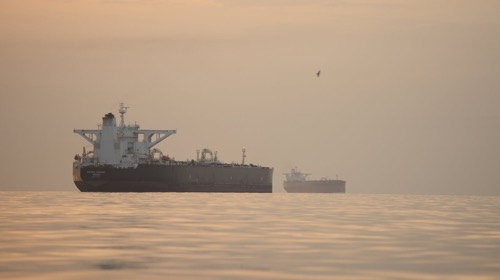
Perhaps the biggest long-term change is happening in the shipping industry. Tanker companies are now designing new routes and building new vessels specifically for non-Hormuz trade. New pipelines and storage hubs are being fast-tracked in places like India, Southeast Asia, and the Mediterranean to reduce reliance on the strait. Some companies are even exploring the use of smaller, more flexible vessels that can operate in riskier waters. These infrastructure investments will take years to complete, but once they are finished, the global oil trade will look very different. The Hormuz Crisis has proven that depending on a single narrow waterway is simply too dangerous, and the industry is responding accordingly.
What This Means for Oil Prices in 2027–2030
Most analysts now expect oil prices to remain structurally higher than pre-crisis levels for the rest of the decade. The combination of higher insurance costs, longer shipping routes, and the need for spare capacity will add a permanent risk premium to every barrel. At the same time, the crisis is accelerating the shift toward alternative energy sources in Europe and Asia. Countries that were already moving toward renewables and electric vehicles have received a powerful reminder of why energy independence matters. This dual pressure — higher costs for traditional oil and faster adoption of alternatives — is likely to keep a lid on any sustained price explosion while still preventing prices from falling back to the low levels seen in the early 2020s. The new normal appears to be a higher, more volatile price band.
Investment and Strategic Implications
For investors, the Hormuz Crisis has created both risks and opportunities. Companies with diversified supply chains and strong balance sheets are best positioned to weather the changes. Those heavily exposed to Middle East production or tanker fleets face more uncertainty. Governments are also rethinking their energy strategies. The European Union is accelerating its push for energy independence, while Asian nations are signing new long-term supply deals with non-Gulf producers. The crisis has turned energy security back into a top national priority for almost every major economy. This shift will influence investment decisions, trade policies, and even military spending for years to come.
The Bigger Picture: A More Fragmented Energy World
The Hormuz Crisis is not just about oil. It is accelerating the move toward a more fragmented, multi-polar energy world. The days when a single chokepoint could hold the global economy hostage are coming to an end. In its place, we are seeing the rise of regional supply networks, new trade routes, and greater investment in both traditional diversification and renewable alternatives. This transformation will not happen overnight, but the direction is now clear. The world is learning to live without putting all its energy eggs in one narrow strait. That lesson will shape the global oil market for the rest of this decade and beyond.
The Hormuz Crisis has already changed how oil moves, who profits from it, and what price consumers ultimately pay. While the immediate military situation may calm down, the structural shifts it triggered will continue reshaping the global energy landscape for years to come. The companies, countries, and investors who understand and adapt to this new reality will be the ones who thrive in the decade ahead.

Frenzy valentine is a passionate blogger, developer, and entrepreneur. He is the founder and author of myfreshgists.com.