Oil prices tumbled sharply on Wednesday after U.S. President Donald Trump announced he is temporarily pausing “Project Freedom,” the American military operation guiding commercial ships through the Strait of Hormuz, citing “great progress” toward a final peace agreement with Iran.
The sudden move sent Brent crude and West Texas Intermediate futures lower as traders bet on a possible de-escalation of the weeks-long crisis that had threatened global energy supplies. Markets reacted positively to the diplomatic opening, even though Trump made clear that the U.S. blockade of Iranian ports will remain in full force.
What Is “Project Freedom”?
Launched just one day earlier on Monday, Project Freedom was the Trump administration’s high-stakes effort to escort merchant vessels through the narrow Strait of Hormuz. The waterway, located between Iran and Oman, carries roughly 20 percent of the world’s oil trade, making it one of the most strategically important choke points on the planet.
After Iran effectively closed the strait in response to U.S.-Israeli strikes earlier this year, dozens of tankers and cargo ships became stranded. Trump framed the operation as both a humanitarian mission and a direct challenge to Iran’s attempt to weaponize the vital shipping lane.
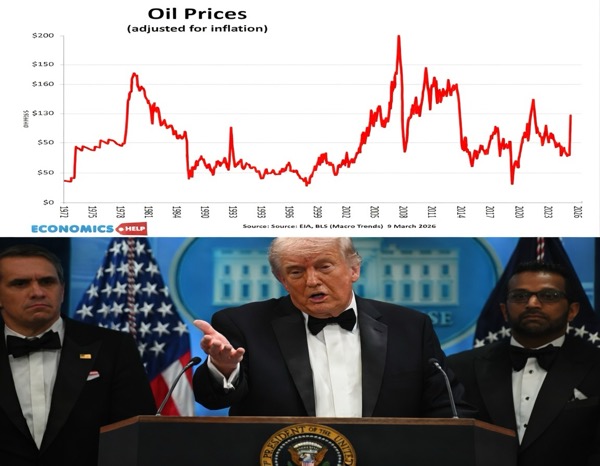
Why Oil Prices Dropped So Fast
Energy markets had been extremely volatile in recent weeks. At the peak of the crisis, Brent crude had surged above $100 per barrel as fears grew that prolonged disruption in the Strait of Hormuz could choke off global supplies. Insurance costs for tankers skyrocketed, and some shipping companies began rerouting vessels around Africa, adding weeks to delivery times.
Trump’s announcement changed market sentiment almost immediately. Even though the blockade of Iranian ports stays active, the decision to pause the escort mission inside the strait was widely interpreted as a genuine diplomatic signal. Analysts noted that any credible path to de-escalation could quickly restore millions of barrels per day to the market.
Timeline of the Crisis
- Late February 2026: U.S. and Israeli forces launch strikes on Iranian targets.
- March 2026: Iran mines parts of the Strait of Hormuz and threatens full closure.
- Early April 2026: Trump declares the Iranian navy “annihilated” after major U.S. operations.
- Late April 2026: Renewed attacks on shipping prompt new U.S. response.
- May 4, 2026: Project Freedom ship-escort mission officially begins.
- May 5, 2026 (evening): Trump announces pause on Truth Social, citing “great progress” on a peace deal.
- May 6, 2026: Oil prices crash on hopes of de-escalation.
What the Pause Actually Means
In his Truth Social post, Trump stated that the pause was requested by Pakistan and other countries and came because of both “tremendous military success” against Iran and significant diplomatic progress. He emphasized that the blockade of Iranian ports will continue without change.
The pause applies only to the ship-escort mission inside the Strait of Hormuz itself. Sources close to the talks say negotiators are working toward a possible one-page memorandum of understanding that could include an end to active hostilities, limits on Iranian enrichment, and gradual easing of restrictions on both sides.
Global Reactions
Pakistan’s Prime Minister publicly thanked Trump for the decision, calling it an important step toward lasting regional stability. Iran has not yet issued a formal public response, though state media described the move as a U.S. “retreat.”
Asian and European stock markets opened higher on Wednesday, while gold prices eased slightly as safe-haven demand cooled. Shipping and energy stocks showed mixed reactions, with tanker operators giving back some recent gains.
What Happens Next
Trump described the pause as temporary — “for a short period of time” — to allow final negotiations. If talks collapse, the U.S. has made clear that Project Freedom will resume immediately and potentially with greater force.
For now, the move has bought valuable time. Whether this leads to a lasting agreement or merely delays the next escalation remains to be seen. The Strait of Hormuz continues to sit at the center of global energy security, and every development there will be watched closely by markets and governments worldwide.
This is a rapidly developing story. We will continue updating as new details emerge from Washington, Tehran, and the Strait of Hormuz.

Frenzy valentine is a passionate blogger, developer, and entrepreneur. He is the founder and author of myfreshgists.com.