While most people expect energy chaos and war to hurt oil companies, Shell just posted billions in profit during one of the most volatile periods in decades. The numbers shocked analysts. But here’s the surprising truth: it wasn’t mainly because of high oil prices. The real reason behind Shell’s massive profits reveals a completely different story about how the biggest energy companies actually make money in today’s chaotic world — and why this matters hugely for investors in 2026 and beyond.
Shell’s Massive Profit Surprise in 2026
Shell reported adjusted earnings of $9.7 billion in the first quarter of 2026, beating expectations by a wide margin even as global energy markets swung wildly between fear and relief. The company’s stock jumped more than 6 percent on the day of the results. What made the performance stand out was that Shell delivered these profits while many other energy majors struggled with shrinking margins and higher costs. The contrast was striking. Some investors assumed Shell was simply riding the wave of higher oil prices caused by the Hormuz Crisis and ongoing Middle East tensions. But that explanation only tells part of the story. The real driver of Shell’s profits was something much more interesting — and far more important for understanding where the energy sector is heading.
The Real Reason Behind Shell’s Billions: LNG and Trading
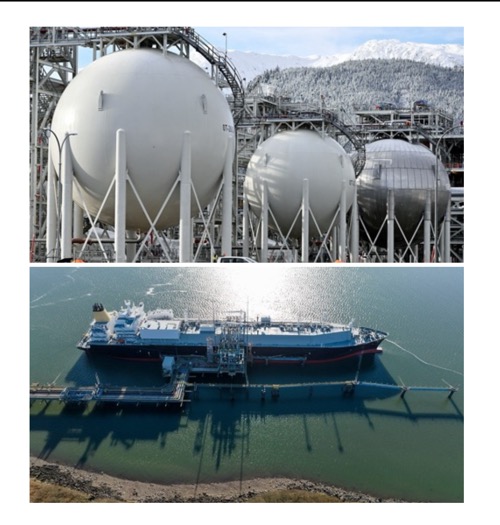
The surprising source of Shell’s profits was its liquefied natural gas (LNG) business combined with its massive energy trading operations. While crude oil prices were volatile, Shell’s LNG division delivered record volumes and strong margins. The company benefited from long-term contracts signed years earlier at higher prices, plus new demand from Europe and Asia as countries rushed to secure alternative supplies amid the Hormuz disruption. Even more importantly, Shell’s trading arm made enormous profits by buying and selling energy products in a wildly volatile market. In chaotic times, volatility is actually a friend to skilled traders. Shell’s traders moved cargoes, locked in arbitrage opportunities, and managed risk across dozens of markets. This combination of stable LNG contracts and opportunistic trading turned chaos into cash. It’s a business model that many investors still don’t fully understand — and that’s exactly why it matters.
Why Most Oil Companies Didn’t Do as Well
Compare Shell’s results to several European and Asian majors that reported much weaker numbers in the same period. Companies heavily focused on refining or traditional upstream production saw margins squeezed as crude prices rose faster than product prices. Others with heavy exposure to Middle East shipping routes faced higher insurance costs and longer delivery times. Shell’s integrated model — owning production, refining, LNG facilities, and a world-class trading desk — allowed it to capture value at multiple points in the chain. When one part of the business faced pressure, another part thrived. This diversification is what turned potential losses into billions in profit. It’s a lesson that many investors are only now beginning to appreciate as energy markets remain unpredictable.
What This Means for Investors in 2026 and Beyond
The Shell story carries important lessons for anyone investing in energy stocks right now. First, the traditional view that “higher oil prices = higher profits” is outdated. In today’s market, companies with flexible, integrated operations and strong trading capabilities are far better positioned than pure producers or refiners. Second, LNG is becoming one of the most valuable parts of the energy business. Demand is growing steadily as countries seek cleaner alternatives to coal and more reliable supplies than pipeline gas. Shell’s leadership in this space gives it a structural advantage that should continue for years. Third, volatility itself has become a profit center. Companies that know how to trade energy products in uncertain times can generate significant returns even when traditional oil and gas margins are under pressure. Investors who understand this shift will be better equipped to pick winners in the energy sector going forward.
The Bigger Picture: Energy Chaos Is Creating New Winners
The Hormuz Crisis and ongoing global energy uncertainty are accelerating a fundamental change in the industry. Companies that can operate across multiple energy types, geographies, and market conditions are pulling ahead. Shell’s results prove that the old model of simply pumping more oil is no longer enough. The winners of the next decade will be those that can trade, optimize, and adapt in real time. This is why Shell’s profit performance is not just a one-quarter story. It’s a signal of where the entire energy industry is heading. Investors who continue to think of energy companies as simple oil producers are missing the bigger picture — and potentially missing out on some of the best opportunities in the sector.

Long-Term Outlook for Shell and the Energy Sector
Looking ahead, Shell is well positioned for the rest of 2026 and into the 2030s. Its LNG portfolio is expanding, its trading desk remains one of the strongest in the industry, and its balance sheet is solid enough to weather further volatility. The company has also been quietly investing in lower-carbon solutions, which could provide additional upside as the energy transition continues. For investors, the key takeaway is clear: in an era of energy chaos, the companies that thrive are those that can do more than just produce oil. They must trade, optimize, and diversify. Shell has shown it can do exactly that — and the market is starting to reward it accordingly. S&P 500 & Nasdaq Smash All-Time Records After April Jobs Report – Why Stocks Exploded Higher
Why This Matters More Than You Think
The surprising reason Shell made billions amid war and energy chaos is not just a good story for one quarter. It reveals how the entire energy business is changing. Volatility is no longer just a risk — it has become a profit opportunity for companies with the right capabilities. LNG is rising as a strategic fuel of choice. Integrated business models are outperforming narrow specialists. For everyday investors, this means the old rules no longer apply. Simply buying energy stocks because oil prices are high is no longer a smart strategy. Understanding which companies can actually profit from chaos — and which ones will struggle — is now essential. Shell’s results are a masterclass in how to win in the new energy world. Investors who pay attention will be far better prepared for whatever comes next in 2026 and beyond.
The Hormuz Crisis and ongoing global energy uncertainty have created both danger and opportunity. Shell has shown how to turn the latter into billions in profit. That lesson will echo through the energy sector for years to come. The companies that understand it will thrive. Those that don’t will be left behind.

Frenzy valentine is a passionate blogger, developer, and entrepreneur. He is the founder and author of myfreshgists.com.