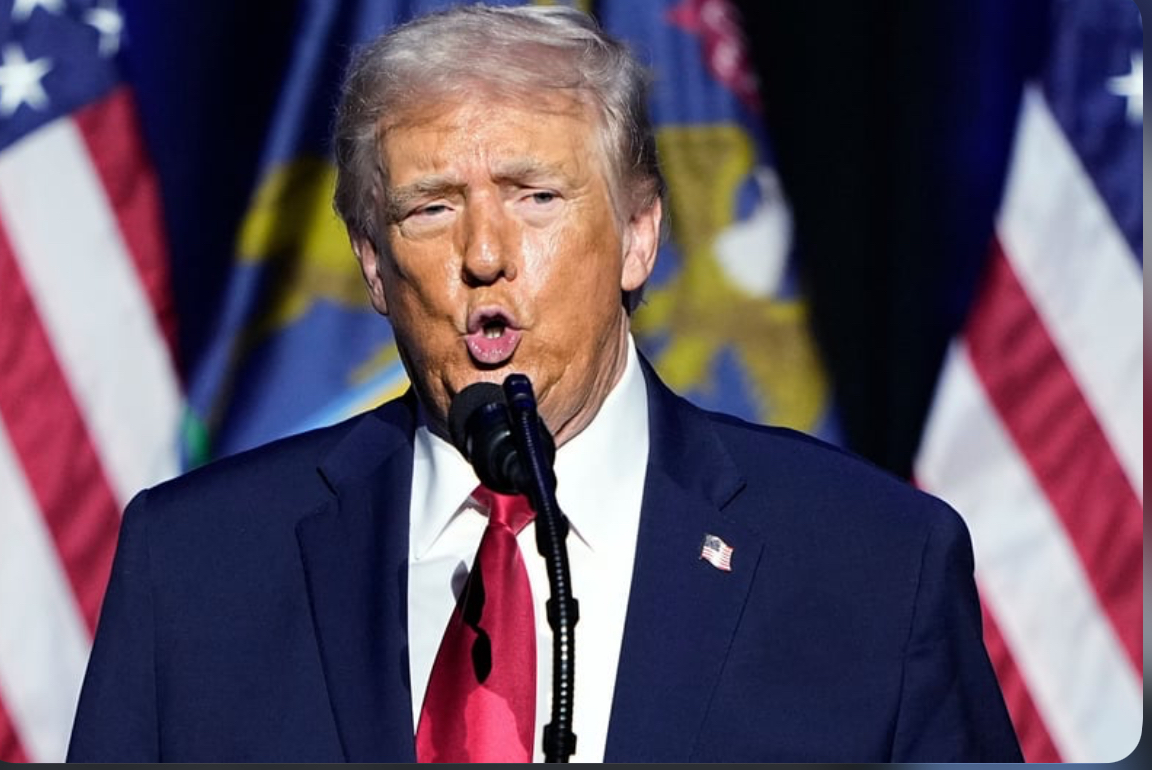
The April truce is crumbling. US forces struck a military site in Iran’s Bandar Abbas overnight. Iran fired back at a US airbase and opened fire on a tanker in the Strait of Hormuz. And in the middle of it all, President Trump turned his fire on an unlikely target — longtime US ally Oman — warning he would “blow them up” if they help Iran control the world’s most important oil chokepoint. Here is the verified breakdown of a fast-moving crisis.
In This Report
- US and Iran Trade Fresh Strikes as the Ceasefire Collapses
- Trump Threatens to “Blow Up” Oman Over the Strait of Hormuz
- Why the Strait of Hormuz Sits at the Center of Everything
- What Happens Next: Diplomacy on a Knife’s Edge
1. US and Iran Trade Fresh Strikes as Fragile Ceasefire Collapses
US warships hit Bandar Abbas, Iran strikes back at a US airbase — and both sides insist the ceasefire still holds
The US military carried out overnight strikes on a military site in Iran’s port city of Bandar Abbas, a US official confirmed to Reuters. US forces had already shot down four Iranian attack drones threatening the Strait of Hormuz, and the targeted facility — a ground control station — was preparing to launch a fifth drone when American forces hit it. The official described the strike as “purely defensive, and intended to maintain the ceasefire.”
Iran refused to absorb the blow quietly. In the early hours of Thursday, the Islamic Revolutionary Guard Corps announced it had targeted a US airbase, though it declined to specify which one. Iran’s semi-official Tasnim news agency reported that the IRGC navy also opened fire on a US tanker that allegedly “tried to pass through the Strait of Hormuz by turning off its radar system.”
Both sides call their strikes “defensive.” Both sides keep firing. That is what a collapsing ceasefire looks like.
The truce, mediated by Pakistan, took effect on April 8 after a brutal US-Israeli air campaign that began February 28 and killed Iran’s supreme leader along with senior officials. It has frayed almost continuously since. US forces destroyed six Iranian boats on May 4, fired repeatedly on Iranian-flagged tankers, and have now struck inside Iranian territory again — all while officials in both capitals insist the ceasefire technically survives.
2. Trump Threatens to “Blow Up” Oman Over Reported Strait of Hormuz Deal
The president turns on a longtime US ally after Iranian state media floats a joint Iran-Oman plan to manage the waterway
President Trump issued a startling threat against Oman — not an adversary, but a longstanding US partner. At a Wednesday Cabinet meeting, a reporter asked whether he would accept a short-term deal letting Iran and Oman jointly control the Strait of Hormuz. Trump dismissed the idea outright. “Nobody is going to control it,” he said. “It’s international waters, and Oman will behave just like everybody else, or we will have to blow them up.”
“Oman will behave just like everybody else, or we will have to blow them up.” — President Trump, White House Cabinet meeting
Observers initially wondered whether Trump had misspoken and meant “Iran.” The State Department erased that doubt, sharing the comment on social media with a transcript that clearly named Oman. Even Fox News anchor John Roberts admitted on air he was “not quite sure what that was all about.”
The threat traces back to an Iranian state television report describing a draft memorandum of understanding that would have handed Iran and Oman joint authority to manage shipping through the strait — sections of which run through both Iranian and Omani territorial waters. The Trump administration branded that report “a complete fabrication.” Control of Hormuz has remained the single most stubborn sticking point in US-Iran talks ever since Tehran militarized the waterway in retaliation for the February war.
3. Why the Strait of Hormuz Sits at the Center of Everything
One narrow waterway carries roughly a fifth of the world’s oil — and Iran has turned it into a weapon
| Metric | Figure |
|---|---|
| Share of global oil traffic via Hormuz | More than 20% |
| Crisis start date | February 28, 2026 |
| Ceasefire agreed (mediated by Pakistan) | April 8, 2026 |
| Merchant ships damaged | At least 17 (7 abandoned) |
| Seafarers killed or missing | 12 |
| Vessels captured | 2 |
The Strait of Hormuz handles more than 20% of the world’s oil traffic, which is precisely why it has become the war’s decisive pressure point. Iran closed the strait after the US and Israel began bombing in February and has since asserted sovereignty over a passage that operated as a free international waterway for decades. The crisis has damaged at least 17 merchant ships, left 12 seafarers dead or missing, and sent global energy prices lurching.
Trump’s position has hardened over months of escalating ultimatums. He demanded that Iran reopen the strait under repeated 48-hour deadlines, threatened to destroy Iranian power plants and bridges, and once warned on social media that “a whole civilization will die tonight.” The April ceasefire was supposed to reopen Hormuz. It has not fully done so — and that failure now drives every fresh exchange of fire.
4. What Happens Next: Diplomacy on a Knife’s Edge
Negotiators keep talking in Doha even as missiles fly — but trust runs dangerously thin
The collapse plays out against active diplomacy. Iranian negotiators have met Qatari mediators in Doha for talks that Tehran called “generally positive,” centered on Iran’s stockpile of nearly 1,000 pounds of highly enriched uranium. Washington has condensed its demand into a slogan — “No dust, no dollars” — signaling no sanctions relief until Iran surrenders that material.
Secretary of State Marco Rubio said the talks have made “some progress” and that Trump prefers diplomacy and will give negotiations “every chance to succeed.” Yet the simultaneous strikes, the threat against Oman, and Iran’s retaliation against US forces all point the other way. The fundamental problem remains unchanged: every party distrusts the others, and the ceasefire rests on no enforceable foundation.
A deal could open Hormuz within a month — or a single miscalculation could reignite the war within hours.
For now, the world watches the same narrow waterway it has watched all year, waiting to see whether diplomats in Doha can outpace the missiles over the Gulf.
Frequently Asked Questions
Did the US and Iran ceasefire collapse in May 2026?
The April 8 ceasefire has frayed badly but technically still stands, according to both governments. In late May, the US struck a military site in Bandar Abbas and Iran retaliated against a US airbase and fired on a tanker in the Strait of Hormuz. US officials describe their strikes as “purely defensive” and intended to maintain the ceasefire, while Iran claims a legitimate right to respond — leaving the truce intact on paper but increasingly hollow in practice.
Did Trump really threaten to blow up Oman?
Yes. At a Wednesday Cabinet meeting, Trump said of the Strait of Hormuz that “Oman will behave just like everybody else, or we will have to blow them up.” The State Department later confirmed he meant Oman — a longtime US ally — not Iran, by sharing the comment and transcript on social media. The threat came after Iranian state media reported a draft deal for Iran and Oman to jointly manage the strait.
Why did Trump threaten Oman over the Strait of Hormuz?
Iranian state television reported a draft memorandum of understanding that would have given Iran and Oman joint control over shipping through the Strait of Hormuz, parts of which run through Omani waters. The Trump administration called the report “a complete fabrication” and insists no country will control the strait, which it considers international waters. Trump’s threat was a blunt warning against any arrangement that hands Iran leverage over the waterway.
What was hit in the latest US strike on Iran?
US forces struck a ground control station at a military site in Bandar Abbas, Iran, overnight. According to a US official, the facility was preparing to launch a drone toward the Strait of Hormuz, and American forces had already shot down four Iranian attack drones in the area. The US described the strike as defensive and aimed at protecting shipping and maintaining the ceasefire.
How did Iran retaliate against the US?
Iran’s Islamic Revolutionary Guard Corps said it targeted a US airbase in the early hours of Thursday but did not specify which one. Iranian state media also reported that the IRGC navy opened fire on a US tanker that allegedly tried to pass through the Strait of Hormuz with its radar switched off.
Why is the Strait of Hormuz so important?
The Strait of Hormuz carries more than 20% of the world’s oil traffic, making it the single most important oil chokepoint on the planet. When Iran threatens or blocks it, insurers pull coverage, tankers reroute or stop, and global energy prices spike. The 2026 crisis has already damaged at least 17 merchant ships and killed or left missing 12 seafarers.
When did the 2026 US-Iran war and ceasefire begin?
The US and Israel launched coordinated strikes on Iran on February 28, 2026, killing Iran’s supreme leader and senior officials. Iran retaliated with missiles and drones against Israel, US bases, and Gulf allies, and closed the Strait of Hormuz. Pakistan mediated a ceasefire that took effect on April 8, 2026, but repeated strikes have tested it ever since.
Which part of this crisis worries you most right now? Drop your thoughts in the comments, share this post with friends who follow global news, and subscribe for fresh weekly international roundups straight to your inbox.
Sources (May 27–28, 2026): Reuters · Al Jazeera · TIME · MS NOW · Tasnim News Agency · US Central Command · US State Department · Wikipedia (2026 Strait of Hormuz crisis timeline)

Frenzy valentine is a passionate blogger, developer, and entrepreneur. He is the founder and author of myfreshgists.com.