A teller in Caldwell, Idaho stopped a $37,000 wire transfer and set off a bank fraud arrest that police say stretched across state lines. The customer at the counter handed over a driver license that did not match the account records on the screen. Staff kept her at the window and quietly called police.
Investigators say the woman had already worked a branch in Nampa. There she withdrew more than $5,000 from an account that did not belong to her, according to Caldwell Police. She also tried to obtain debit cards tied to the same victim.
Then she came back for a much bigger number. At a Caldwell branch, she asked the bank to wire $37,000. Employees compared her identification against the identity information the bank already held on file, and the two did not line up. Rather than confront her, staff stalled her at the counter and contacted law enforcement.
What She Told Officers
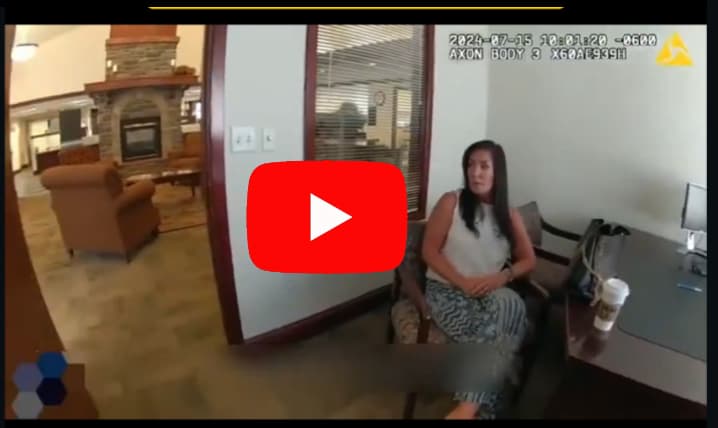
Officers walked her into a private office instead of questioning her in the lobby. She offered the account holder’s name first. After that, she gave up her real identity and laid out how she ended up there.
She said she lived in Texas and had traveled to Idaho for the scheme. Two men she knew only by nicknames recruited her, she told officers, and they waited outside in a van while she worked the counter. She also said they kept her on a live audio feed through a hidden earpiece so they could coach her if a teller pushed back. Money trouble drove the decision, according to her account. She had lost a vehicle in a wreck, still owed on the loan, and wanted to fund a small delivery business.
Because she knew the men only by nicknames, she gave investigators very little to chase.
Why One Bank Visit Produced Seven Felonies
Police booked Patricia Sue Meyer, 57, into the Canyon County Jail on burglary, criminal conspiracy, use of a computer to commit a felony, grand theft, criminal possession of a bank card, misappropriation of personal information, and forgery.
That list surprises most people, so here is the logic behind it. Idaho defines burglary as entering a building intending to commit theft or fraud, which means walking through the door completes an offense on its own. Presenting a false license adds forgery. Using another person’s data adds misappropriation of personal information. Routing the transfer request through the bank system adds the computer charge. Meanwhile, acting with others adds conspiracy. Prosecutors stack counts like these because each one covers a separate act rather than the same act twice.
What the Real Account Holder Goes Through
The victim authorized none of it. Federal rules generally shield consumers from liability for unauthorized electronic transfers as long as they report the problem quickly. Still, the cleanup takes real work. Victims typically spend weeks closing accounts, disputing transactions, filing reports, and placing fraud alerts or credit freezes with the major bureaus.
How the Case Ended
Meyer went before a judge in Canyon County for arraignment and a bail hearing. Idaho Department of Correction records now list her as discharged. Police said at the time that the wider investigation continued, and no public record shows charges filed against the men she described.
One employee comparing a card against a screen ended a scheme that had already moved thousands of dollars.
Should bank staff hold a suspected fraud customer at the counter until police arrive, or does that put employees in danger?
Frequently Asked Questions
What happened in the Caldwell bank fraud case?
A Texas woman used false identification to withdraw more than $5,000 from another person’s account at a Nampa bank, then attempted a $37,000 wire transfer at a Caldwell branch. Staff noticed the identification did not match their records and called police, who arrested her on seven felony charges.
What should you do if someone uses your identity at a bank?
Contact the bank immediately and report the transactions as unauthorized. File a police report, request written confirmation of the dispute, and place fraud alerts or a credit freeze with the credit bureaus. Federal rules generally limit consumer liability when you report promptly.
Why did one bank visit lead to so many charges?
Each element of the conduct violates a separate Idaho statute. Entering the bank with intent to defraud supports burglary, the false license supports forgery, using another person’s data supports misappropriation of personal information, and acting with others supports conspiracy.

Frenzy valentine is a passionate blogger, developer, and entrepreneur. He is the founder and author of myfreshgists.com.