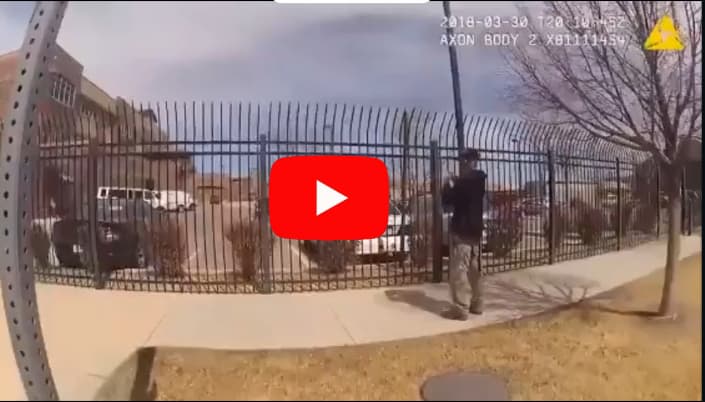
Filming police in public ranks among the most contested rights in America today. Bodycam footage out of Pueblo, Colorado shows exactly why. An officer spotted a man photographing patrol cars outside a police building, demanded his name, and put him in handcuffs within seconds.
What the Footage Shows
The man stood on a public sidewalk. He aimed his camera at marked patrol vehicles and at the department building itself. Then an officer walked over and asked who he was and what he was doing there.
The man declined to answer and turned to leave. However, the officer grabbed him and cuffed him on the spot. Pressed for a reason, the officer said he had reasonable suspicion. The man pushed back immediately. Recording from a sidewalk breaks no law, he argued, so it cannot support suspicion of a crime.
Then a supervisor arrived and changed everything. He sized up the scene within moments and told the officer plainly that the man had every right to record. After that, he ordered the release. The entire detention lasted only a few minutes.
What the Law Says About Filming Police in Public
Federal courts across the country have upheld the right to record officers who are performing their duties in public places. Colorado law also limits when police may demand your identity. Under the state stop and identify statute, an officer may require your name and address only when he reasonably suspects that you are committing a crime, have already committed one, or intend to commit one.
That standard matters here. Pointing a camera at a building does not meet it. Neither does staying silent, because you keep the right to decline questions during any police encounter. Walking away from a voluntary conversation also remains lawful. Officers need reasonable suspicion before they detain anyone, and curiosity alone never qualifies.
The Colorado Case That Cost a City $41,000
Departments that ignore this rule pay for it. In 2018, Colorado Springs settled a nearly identical claim for $41,000. A photographer named Clayton had filmed marked cruisers at a police substation lot and then refused to identify himself. Officers detained him and confiscated both his camera and his phone.
Clayton filed a complaint the next day. Six months later, the city cut a $41,000 check covering him and his attorneys. Still, the money made up only part of the deal. Colorado Springs also agreed to add language to its General Orders confirming that photographing or recording from a public place does not by itself amount to suspicious activity. In addition, the department had to produce a roll call training video about the right to record police, and every officer had to watch it before the end of that year. CIRSA, the insurance pool covering Colorado municipalities, later held the case up as a warning to other cities.
Why the Supervisor Made the Difference
The Pueblo encounter ended with no charges and no reported lawsuit, largely because a supervisor caught the error and fixed it on the spot. That contrast delivers the real lesson. One Colorado department paid $41,000 and rewrote its policy manual. The other sent a man on his way in under five minutes.
Filming police in public stays legal nationwide, and more departments now train their officers to treat a camera as ordinary rather than suspicious.
Should every department run this training, or should officers who ignore the law cover part of the settlement themselves?
Frequently Asked Questions
Is filming police in public legal?
Yes. Federal courts have repeatedly upheld the right to record officers carrying out their duties in public spaces. Police may not detain you for recording alone.
Do you have to show ID to police in Colorado?
The Colorado stop and identify statute lets an officer request your name and address only when he reasonably suspects criminal activity. Without that suspicion, you may decline and walk away.
What was the $41,000 Colorado police settlement?
Colorado Springs settled a wrongful detention claim for $41,000 in 2018 after officers detained a photographer filming patrol cars. The city also updated its General Orders and required every officer to complete training on the right to record.

Frenzy valentine is a passionate blogger, developer, and entrepreneur. He is the founder and author of myfreshgists.com.